




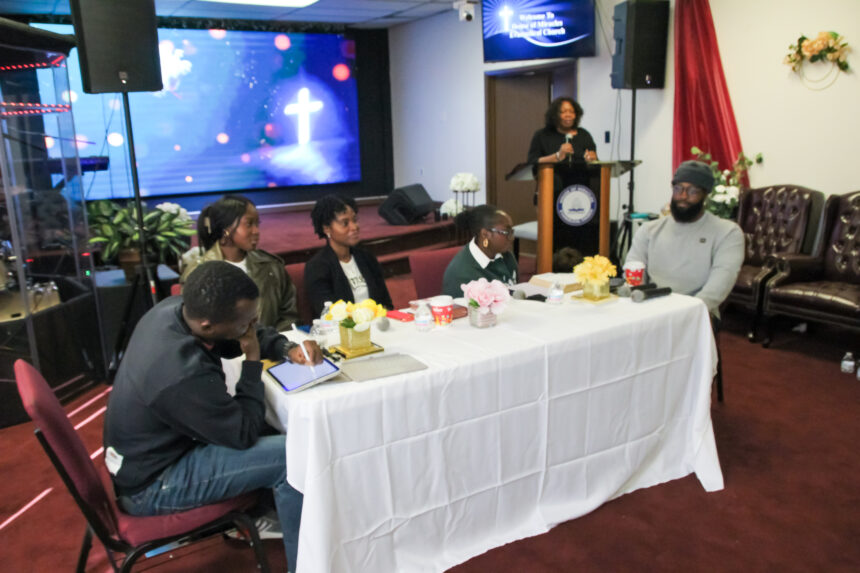
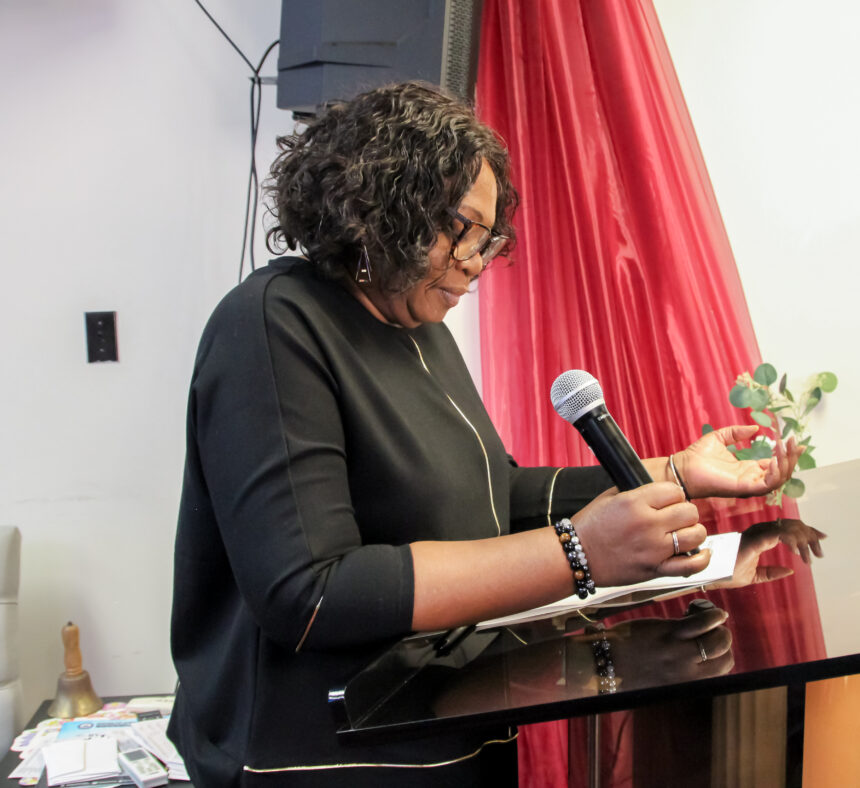












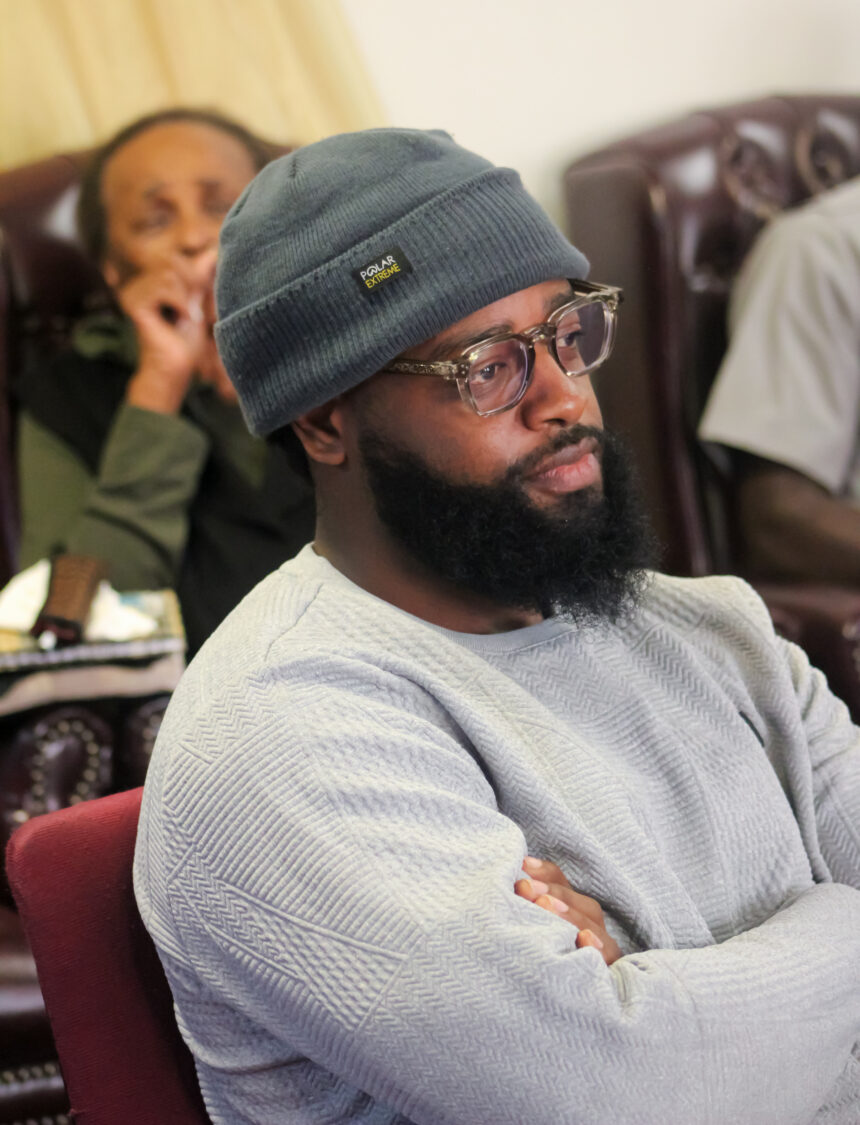
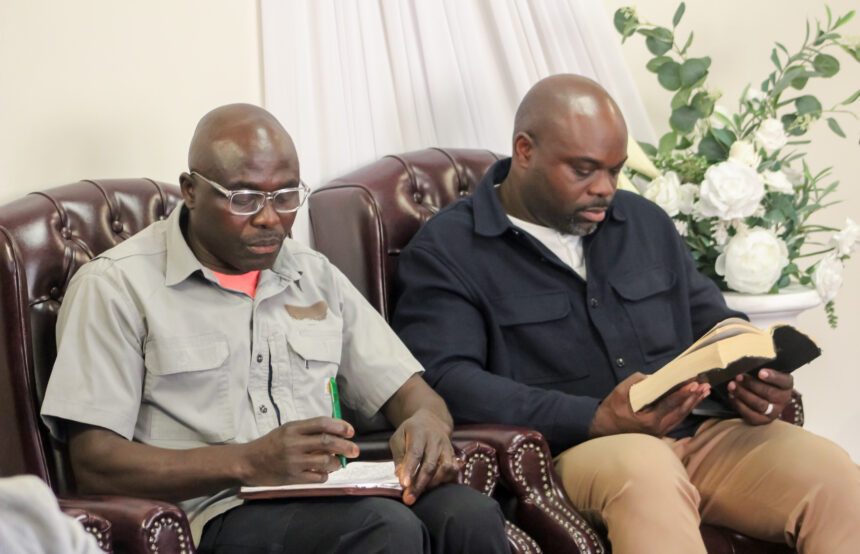
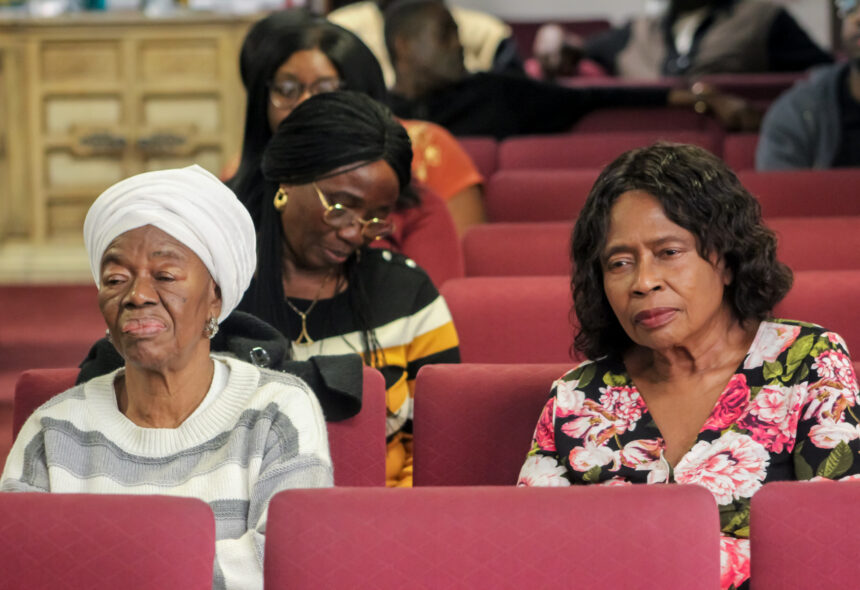




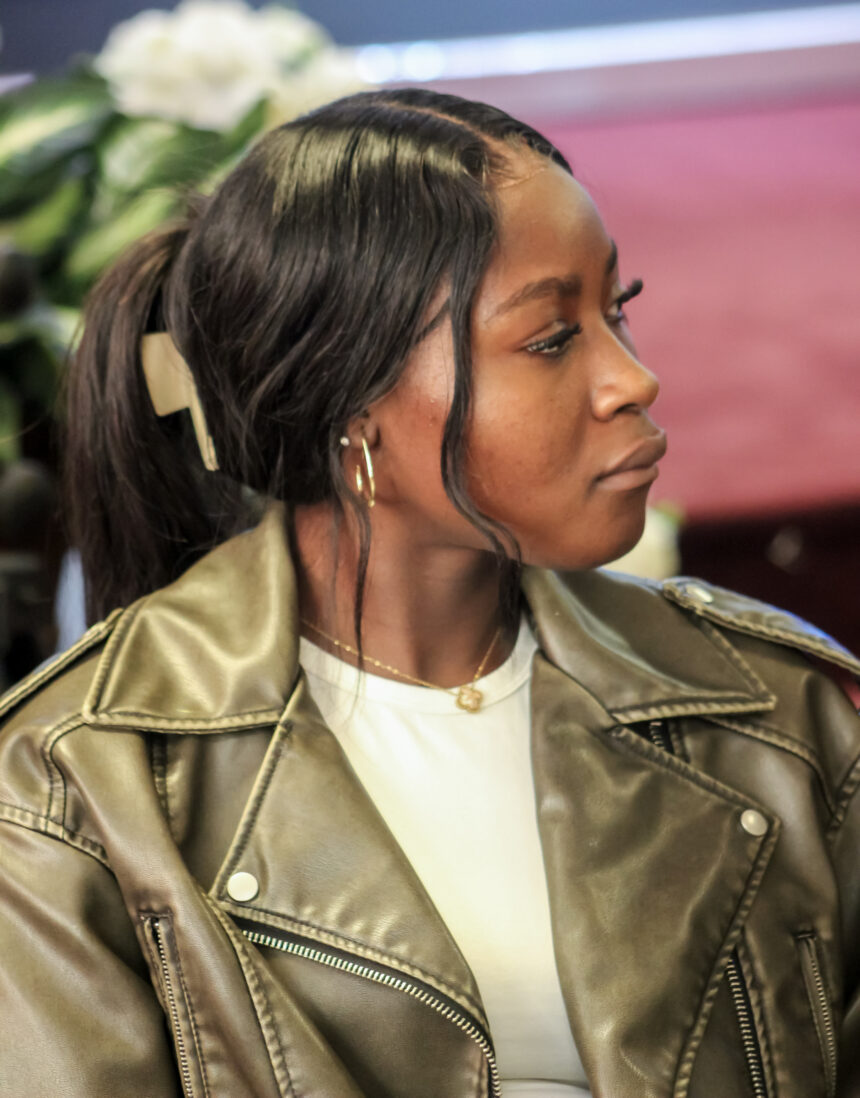








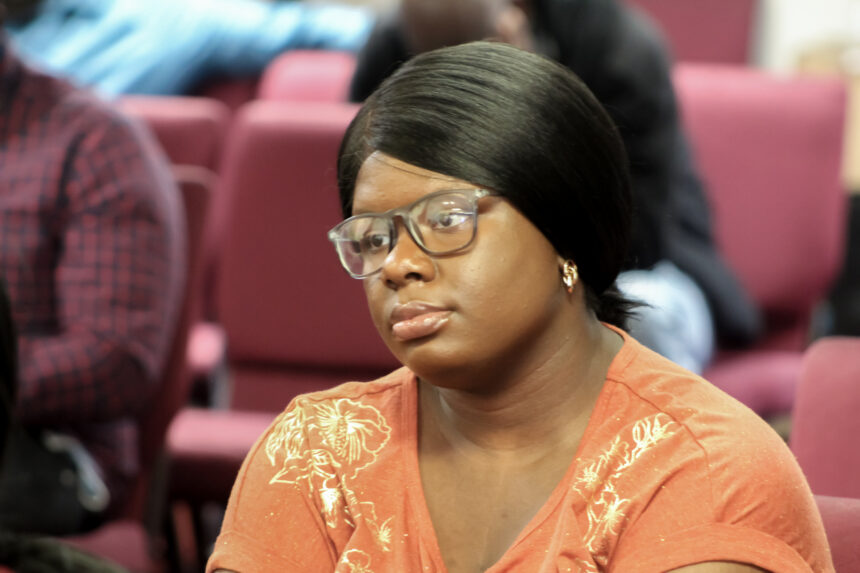
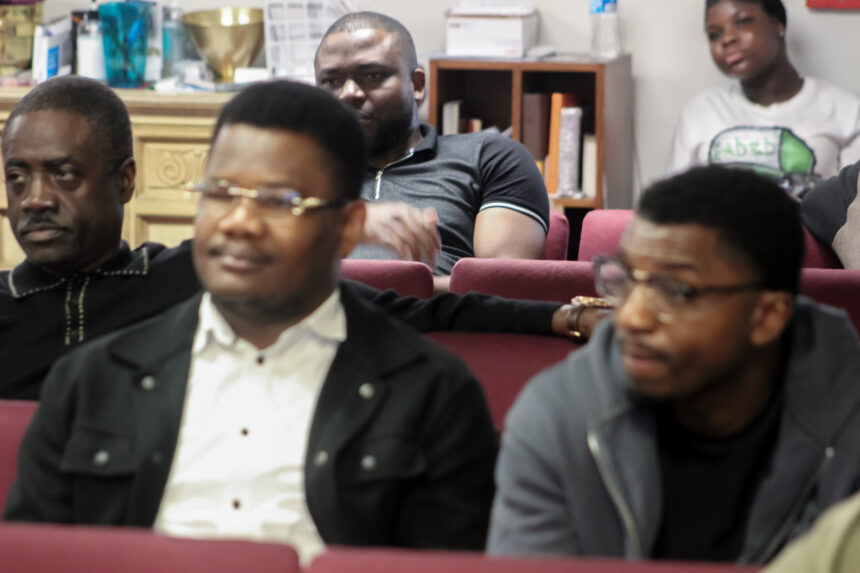



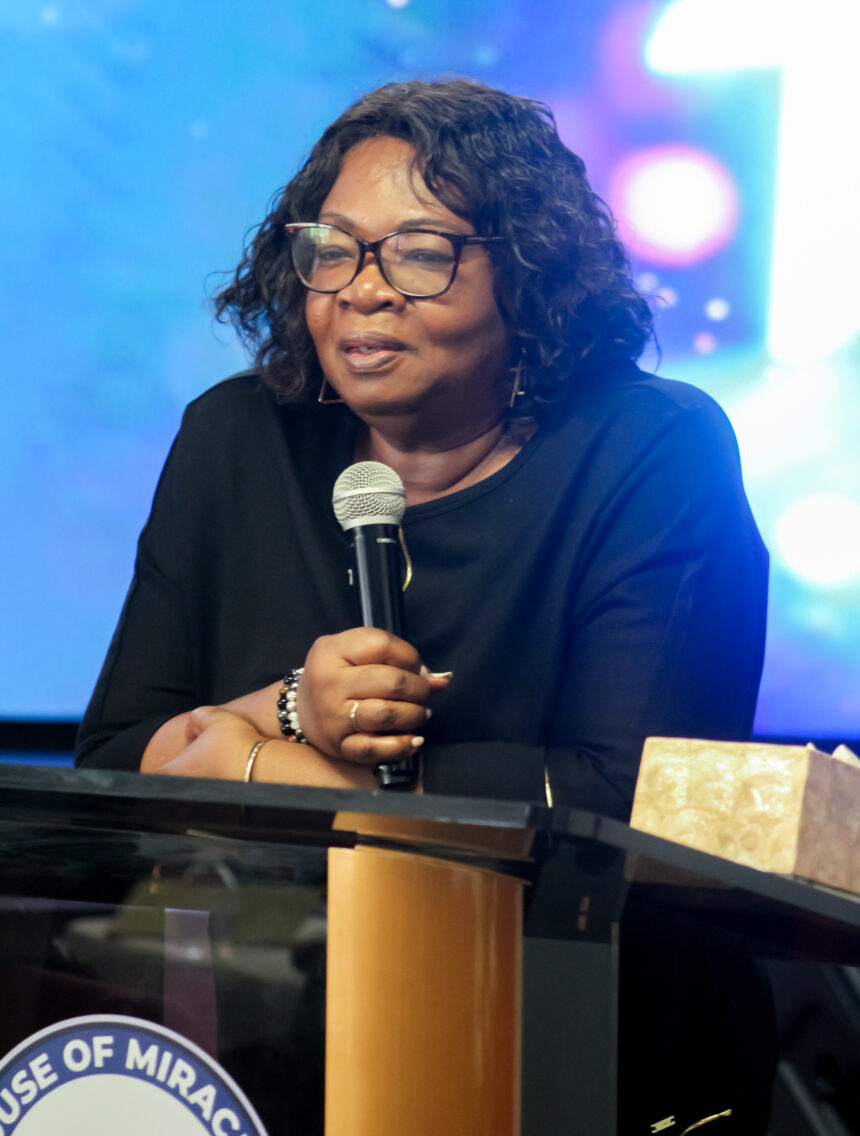
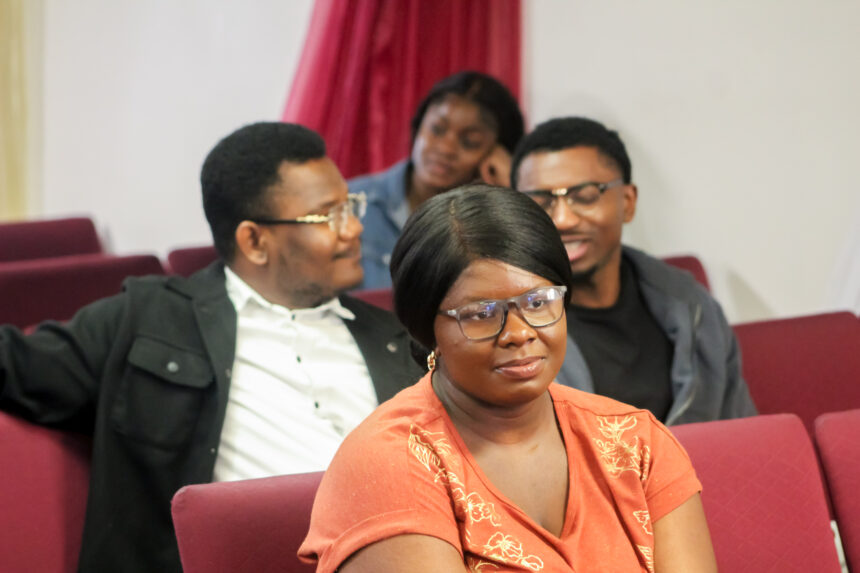





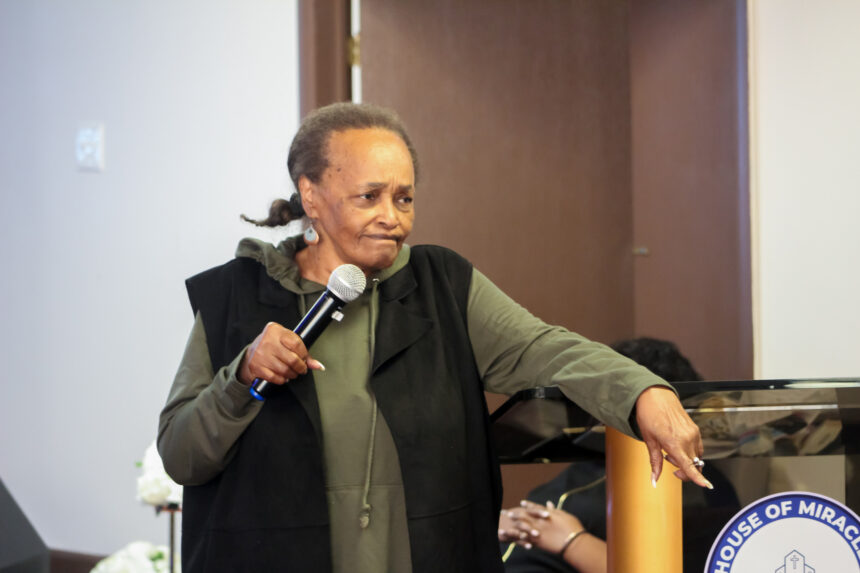
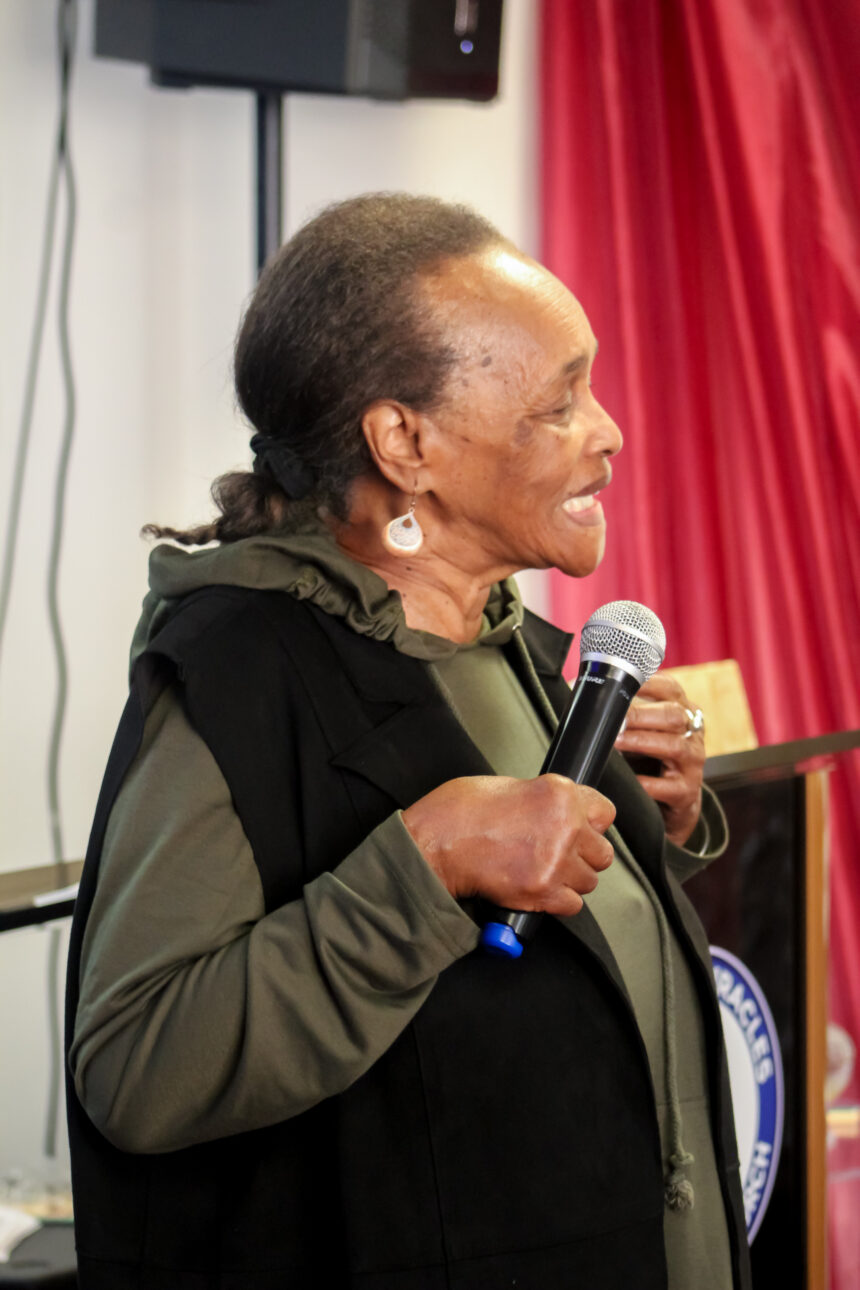



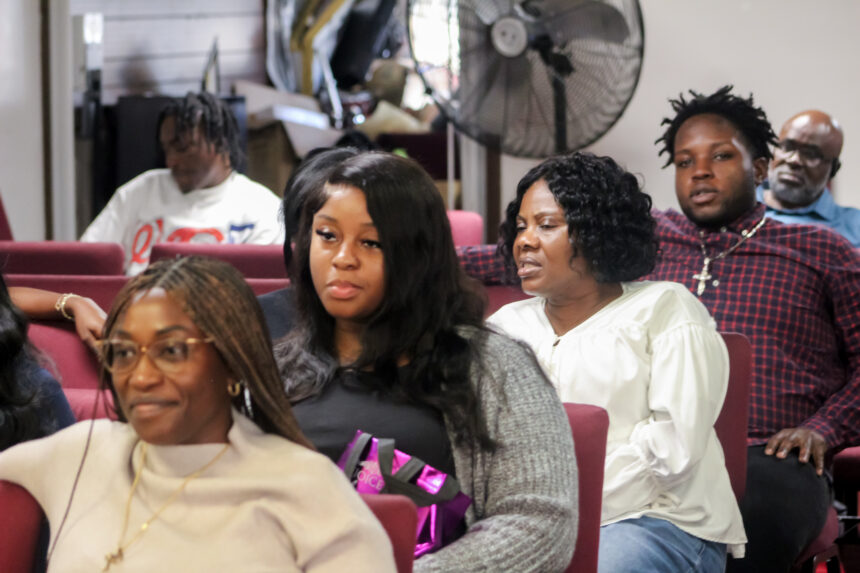
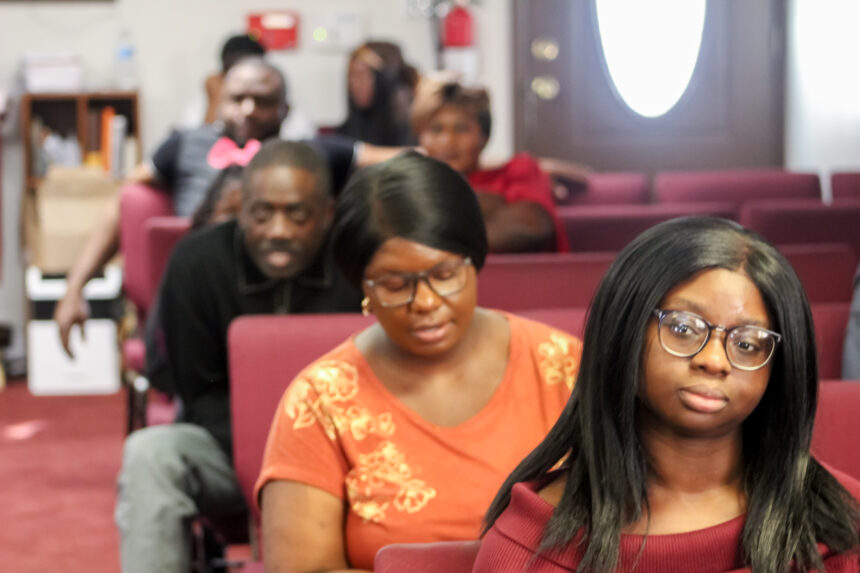
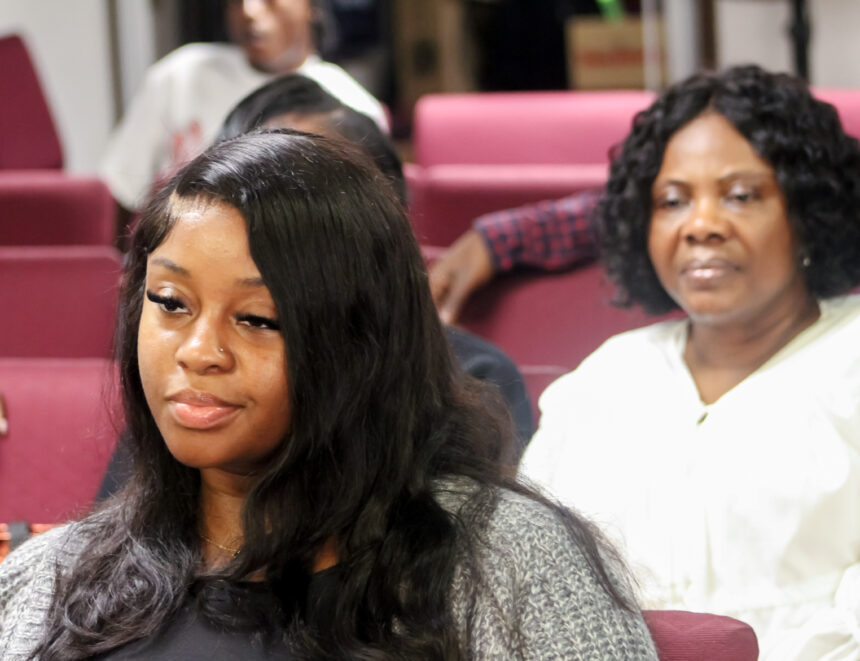









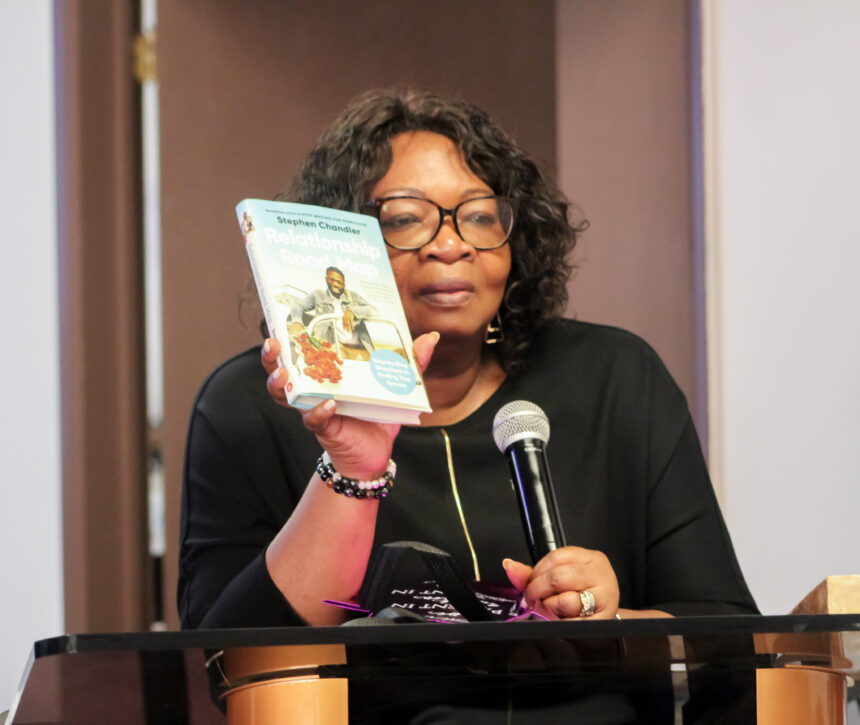

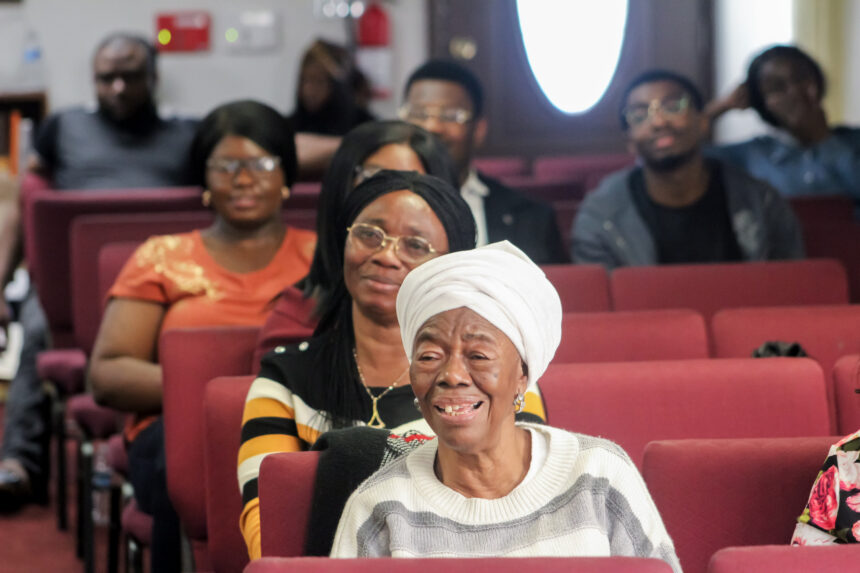

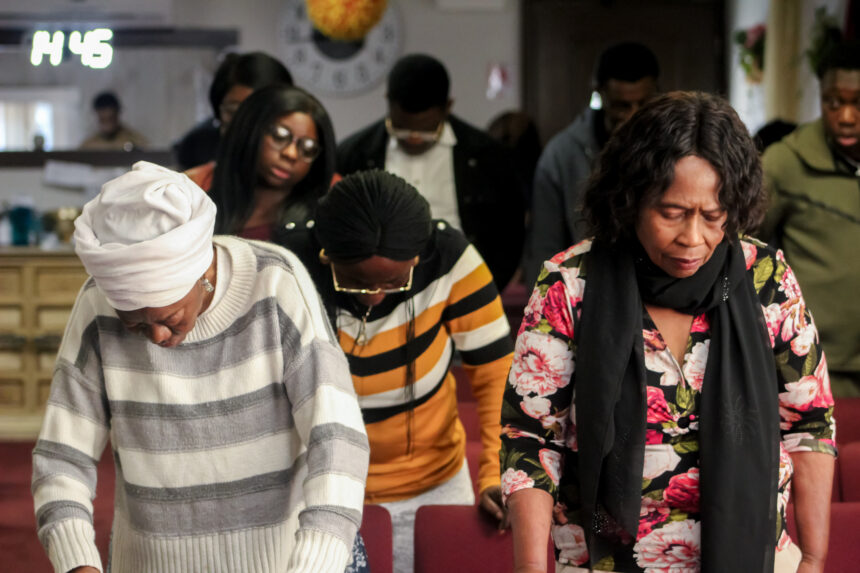
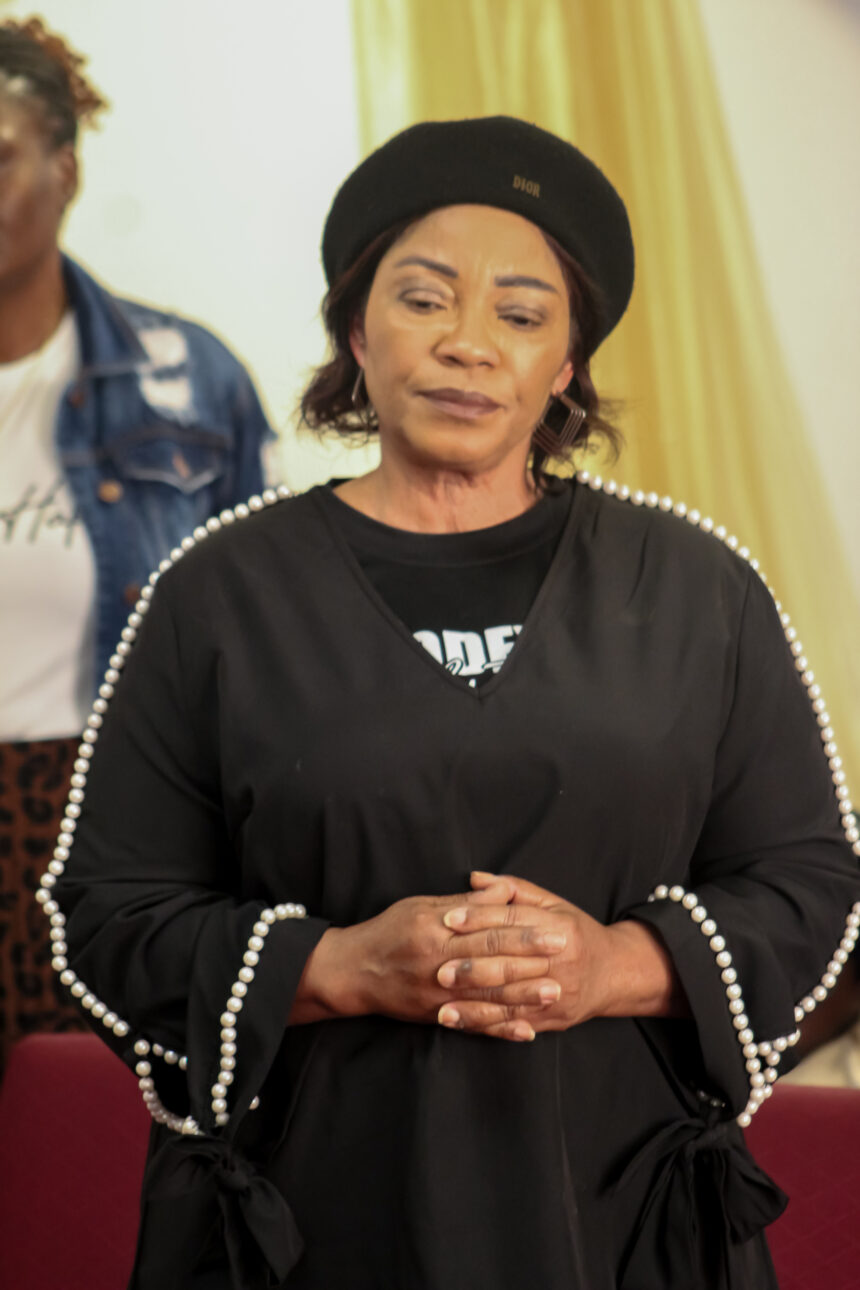
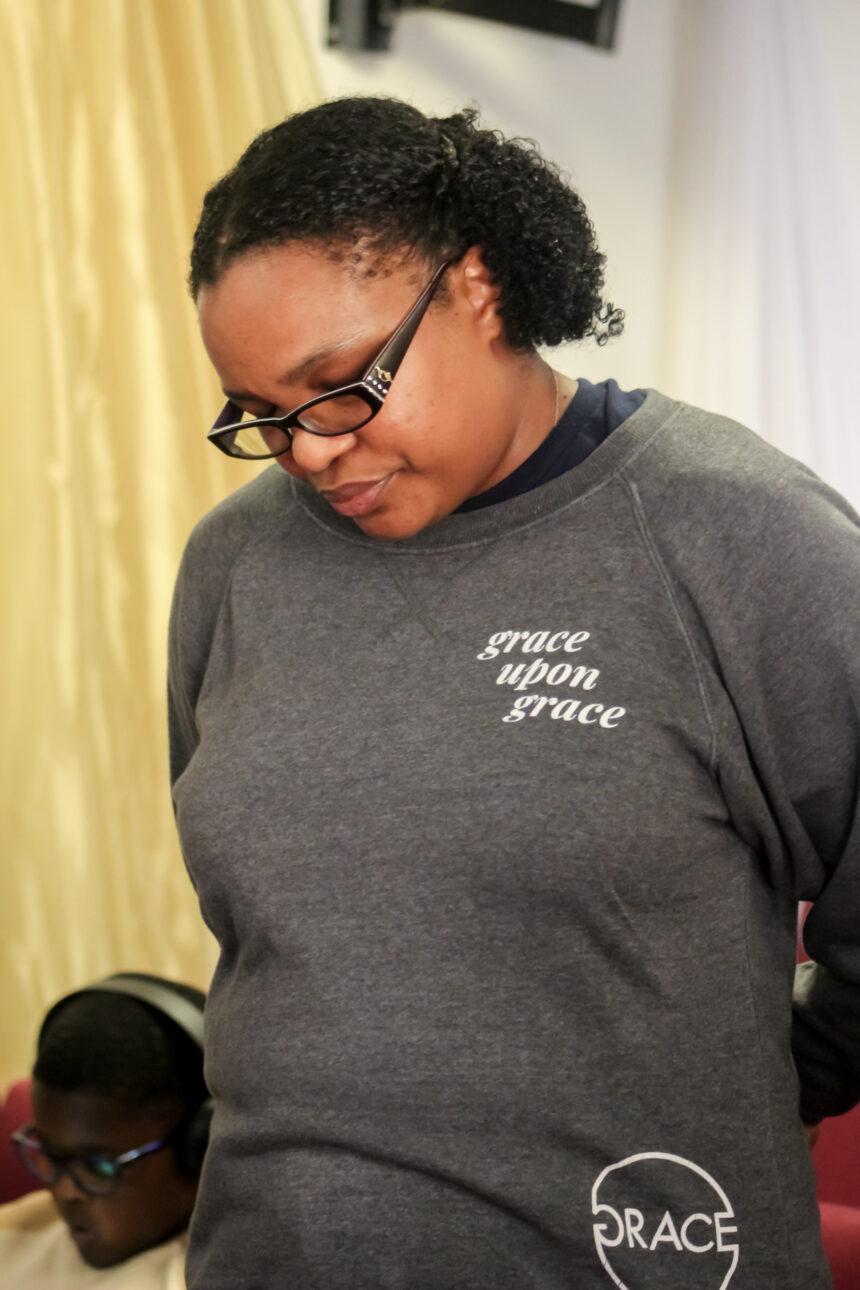



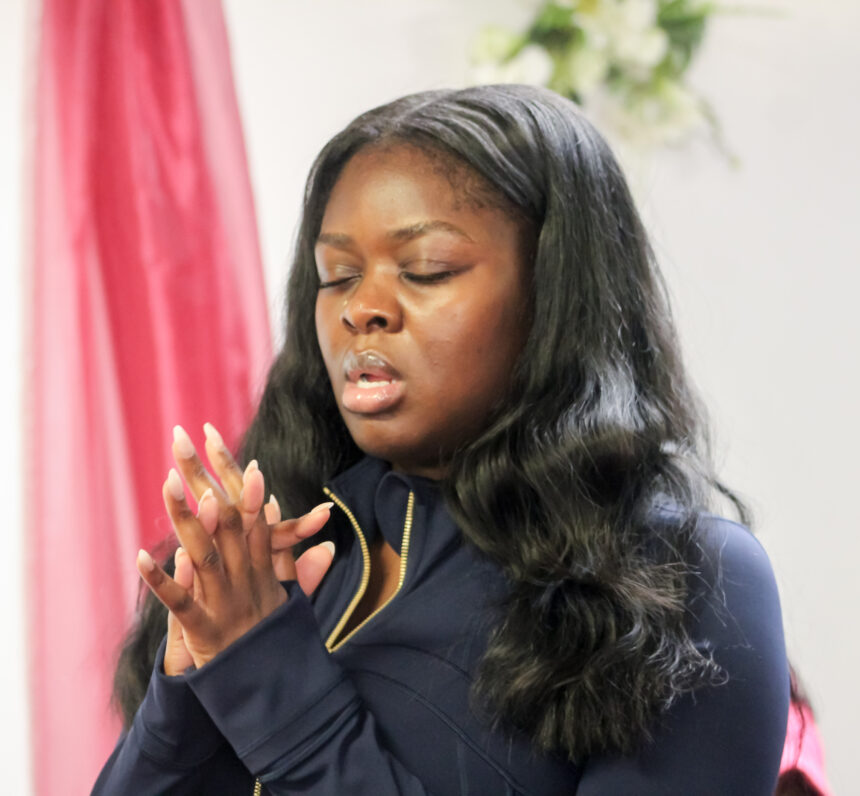

In a quiet sanctuary filled with warm lights and expectant hearts, a young woman stepped to the microphone, not to impress, not to perform, but to tell the truth.
At the House of Miracles Evangelical Church Singles’ Seminar, 25-year-old health worker Lizy Omolaja offered a raw, unvarnished reflection on love, identity, and the perilous beauty of waiting on God in a generation where social media like Instagram, TikTok, with their filters and viral aesthetics, often drown out the quiet voice of purpose.
There was no grand prep, no polished sermon script. She admitted that immediately. And somehow, that sincerity became the sermon. “I needed to change my heart posture,” she said. Omolaja’s message was a philosophical treatise disguised as a testimonial: True partnership is not found; it is built from within.
Unmasking the Glamour: The Posture of the Heart
Omolaja began by addressing the corrosive influence of the online world, which, like an ancient marketplace filled with glittering, counterfeit goods, sells a flawed vision of romance. “It makes things glitter that are not, you know, pretty or anything,” she observed, acknowledging the difficulty of maintaining spiritual clarity amidst social media’s “glamorized” yet shallow narratives.

Her first major declaration was a spiritual pivot. The necessity of changing one’s heart posture. This is the internal reformation, the turning away from societal wants (“the wrong reasons” and “the wrong people”) toward a divine standard. In a culture obsessed with outward success, Omolaja made a bold, counter-cultural call for internal humility. Her prayer, she revealed, was not for a partner, but for the “characteristics that I needed to be a good woman, a good girlfriend, and a good wife”—a recognition that one must become the blessing they seek.
This principle echoes the timeless African proverb, “The roots of the tree determine the sweetness of the fruit.” Omolaja is committed to tending her roots, ensuring that the harvest of her future relationship will be fruitful, not merely “happy.”
The Cross and the Covenant: Setting the Foundation
The core of Omolaja’s philosophy centered on the rigorous, preparatory work of singleness, a phase she regards as the crucial foundation. She emphasized that a relationship acts as a spiritual mirror, exposing every flaw and weakness one tries to conceal when alone. “Once you get in a relationship, it’s gonna show all your colors. It’s gonna show it off.”
Her current journey into a relationship has confirmed this truth: “We need God. You need Jesus Christ.” The path to longevity requires a daily spiritual discipline, urging attendees to “carry across, as they say, and die to your flesh every day.”
Philosophically, this translates to an unyielding focus on one’s identity in Christ. Her most powerful statement, one that drew an emotional response, was her refusal to be a burden: “I do not want to be a spiritual liability to my man.” This is a profound shift from a consumerist view of marriage (what can I get?) to a stewardship view (what can I contribute?). She wants her future husband to “find me in God’s heart,” signaling a desire for alignment where their union is divinely congruent, not just socially convenient.
Unlearning the Toxic: A New Social Contract
In perhaps the most critical section of her address, Omolaja addressed the quiet destruction caused by “ungodly social constructs”—toxic relational habits learned unconsciously. These are the deep, often “under the surface” issues, such as how one manages anger, sadness, or frustration.
Her current discipline involves actively unlearning these detrimental behaviors, recognizing they are “not prosperous” and “detrimental” to the covenant with God and spouse. This intellectual and spiritual bravery—the willingness to scrutinize one’s fundamental ways of speaking and expressing emotion—is the highest form of self-love and preparation.
Omolaja’s message serves as a timely reminder that the greatest quest in singleness is the quest for character. In a world that prizes the facade, she calls us back to the difficult, necessary work beneath the surface, a testament to the enduring truth that the most beautiful relationships are not the ones that look the best, but the ones that are built the strongest in Christ.